

This guide provides The Sound of Silence kalimba tabs in standard number notation, specifically arranged for intermediate players on a 17-key instrument. This arrangement integrates harmonic chords to mirror the polyphonic texture of the Simon & Garfunkel original, demanding precise thumb synchronization to execute simultaneous strikes across multiple tines.
Performance Demo
Kalimba Tabs
A A C° C° E° E° D°    D G D B D G D
G G B B D° D° C    E A E C° E A E
A A C° C° E° G    (F-A-C°) A°    A G°
C° C° E° E° G° G°    (F-A-C°) A°    A° (E-G-B°) G°

C E G B C° E° G° B°    E° G°
A° A° A° B° C°° C°°    B° A° G    G° F° E°
C° C° G° G°    G B G B G B G B G    B B
C° B A    E° D° E° C° D° B    C° B A E° D° E° C° D° B    C° B A

A A C° C° E° E° D°    D G D B D G D
G G B B D° D° C°    E A E C° E A E
A A C° C° E° G° (F-A-C°) A°    A G°
C° C° E° E° G° G° (F-A-C°) A°    A° (E-G-B) G°

C E G B C° E° G° B°    E° G°
A° A° A° B° C°° C°°    B° A° G° F° E°    E G E G E G
C° C° G° G°    G B G B G B G B G    B B
C° B A    E° D° E° C° D° B C° B A    E° D° E° C° D° B    C° B A
6 6 1° 1° 3° 3° 2°    2 5 2 7 2 5 2
5 5 7 7 2° 2° 1    3 6 3 1° 3 6 3
6 6 1° 1° 3° 5    (4-6-1°) 6°    6 5°
1° 1° 3° 3° 5° 5°    (4-6-1°) 6°    6° (3-5-7°) 5°

1 3 5 7 1° 3° 5° 7°    3° 5°
6° 6° 6° 7° 1°° 1°°    7° 6° 5    5° 4° 3°
1° 1° 5° 5°    5 7 5 7 5 7 5 7 5    7 7
1° 7 6    3° 2° 3° 1° 2° 7    1° 7 6 3° 2° 3° 1° 2° 7    1° 7 6

6 6 1° 1° 3° 3° 2°    2 5 2 7 2 5 2
5 5 7 7 2° 2° 1°    3 6 3 1° 3 6 3
6 6 1° 1° 3° 5° (4-6-1°) 6°    6 5°
1° 1° 3° 3° 5° 5° (4-6-1°) 6°    6° (3-5-7) 5°

1 3 5 7 1° 3° 5° 7°    3° 5°
6° 6° 6° 7° 1°° 1°°    7° 6° 5° 4° 3°    3 5 3 5 3 5
1° 1° 5° 5°    5 7 5 7 5 7 5 7 5    7 7
1° 7 6    3° 2° 3° 1° 2° 7 1° 7 6    3° 2° 3° 1° 2° 7    1° 7 6
Which Kalimba Should You Choose?
Buzzing often comes from loose tines or poor-quality bridges. Solid 17-key kalimbas with properly seated tines eliminate most buzzing issues, letting you focus on the melody rather than fighting your instrument’s mechanics.


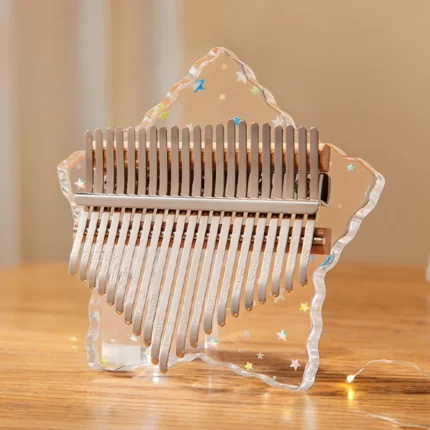



Start with the opening phrase and work through each section at your own pace. You’ll master Sound of Silence kalimba numbers quickly once the rhythm clicks—the repetition in the verse makes practice feel natural and rewarding.




 Free Shipping Over £69 (UK)
 90-Day Easy Returns
 180-Day Free Quality Replacement