


In recent years, the kalimba—also known as the thumb piano—has gained popularity far beyond its African roots. Its soft, meditative tones make it a favorite for people who enjoy mindfulness, yoga, sound healing, or simply want a relaxing hobby at home.
Whether you’re curious about its history, wondering how it’s built, or asking yourself “Is the kalimba hard to play?”, this guide will walk you through everything you need to know in a simple and friendly way.
Table of Contents
What Exactly Is a Kalimba?
The kalimba, often called the “thumb piano,” comes from Africa, where its ancestor, the mbira, has been played for centuries in countries like Zimbabwe. Traditionally, it was more than entertainment—it was used in ceremonies, storytelling, and spiritual rituals, with its resonant tones believed to connect people with nature and ancestors.
In the 20th century, ethnomusicologist Hugh Tracey refined the instrument with metal tines and wooden resonating boxes, helping spread it worldwide. From its cultural roots in Zimbabwe to its modern role in meditation, music therapy, and everyday relaxation, the kalimba has grown into a global favorite while keeping its soulful heritage alive.
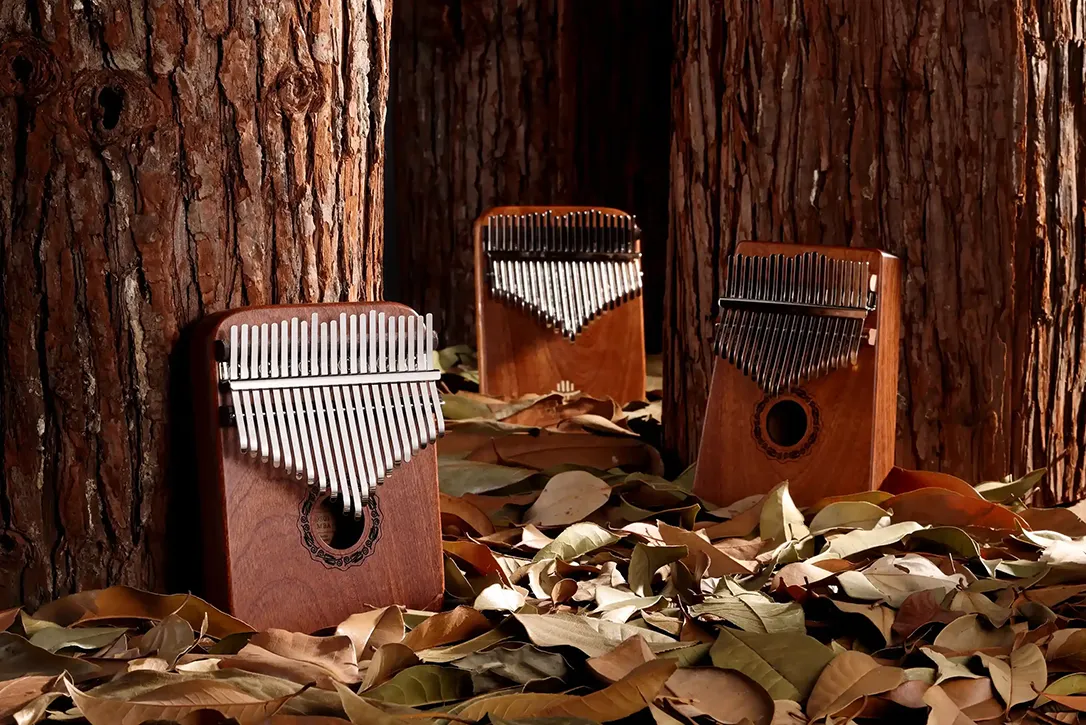
The Distinctive Structure of the Kalimba
A kalimba is usually made of wood with metal tines (keys) mounted on top. You pluck the tines with your thumbs to produce sound. Some kalimbas are hollow with sound holes for extra resonance, while others are solid, making them more portable with a clearer, brighter tone.
What makes the kalimba truly unique is its key arrangement. Unlike most instruments, where notes are lined up from low to high, kalimba tines are arranged in an alternating left–right pattern. The longer, lower-pitched keys sit in the center, and the shorter, higher-pitched keys extend to the sides. This layout creates a natural, flowing melody when you play, making the instrument intuitive and relaxing even for beginners.
Common versions include 17-key kalimbas for beginners and 21-key kalimbas for more advanced players.

The Gentle and Dreamy Sound
The kalimba has a soft, bell-like tone that feels calming and uplifting at the same time. Its resonance makes it perfect for meditation, background music, or simply relaxing after a busy day. Unlike loud instruments, the kalimba creates an intimate, soothing atmosphere.
Surprisingly Easy to Learn
Many people wonder if the kalimba is hard to play. The answer is no—it’s one of the most beginner-friendly instruments out there. With just a little practice, you can play simple songs like Twinkle Twinkle Little Star within 30 minutes. More complex pieces take time, but the learning curve is gentle and enjoyable.
Quick Answers (FAQ)
Q1: Is the kalimba good for meditation?
Yes! Its calm, resonant sound makes it ideal for meditation, yoga, and stress relief.
Q2: Which kalimba should I buy first?
A 17-key kalimba in C major is the best choice for beginners. It’s affordable, versatile, and most tutorials are written for this model.
Q3: Do I need to know music theory to play the kalimba?
Not at all. Many beginners learn by using simple kalimba tabs, which show exactly which keys to pluck.
Q4: How much does a kalimba cost?
Beginner models usually range from £16–£48, depending on the wood type and build quality.
✨ So, what is a kalimba? It’s a pocket-sized instrument full of history, simplicity, and beauty—perfect for anyone who wants to start their musical journey without stress.



 Free Shipping Over £69 (UK)
 90-Day Easy Returns
 180-Day Free Quality Replacement